
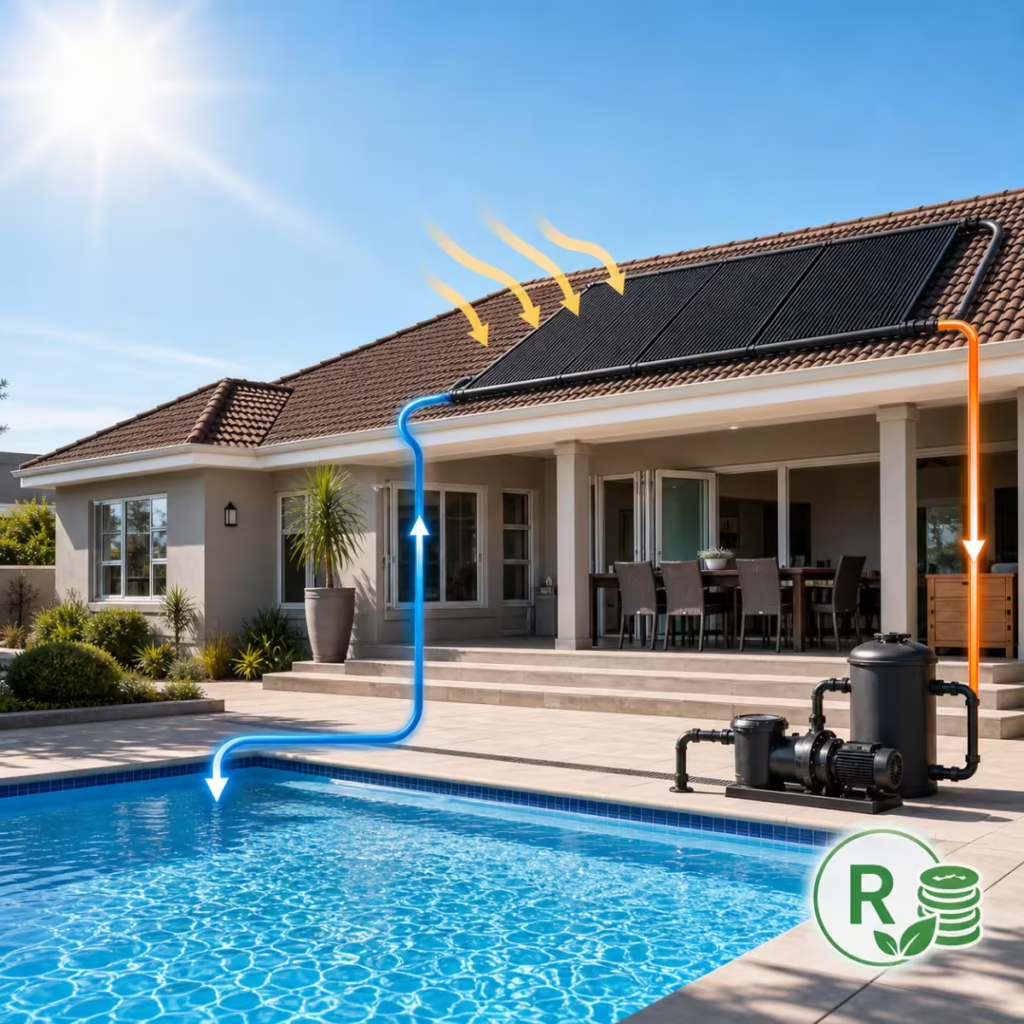
South African households now pay the seventh most expensive household electricity bills in the G20, and a heated swimming pool can quickly become a luxury the monthly budget no longer supports.
Swimming pool solar heating offers a way out. By tapping free energy from the sun, a solar pool heating system warms the water without the running cost of a gas heater or an electric heat pump.
The heat is free; you only pay for the system that captures and stores that heat.
This 2026 guide walks through how solar pool heating works, the real benefits for South African households, and what to look at before you install solar panels above the pump bay. If you want a broader view of pool heating choices first, our wider guide on how to heat a swimming pool covers the full range of heating systems available today.
If you want a faster path to warm water, our Neo Inverter Heat Pump is solar-ready out of the box and pairs with any solar setup you add later. Contact our team for a sizing recommendation.
Key takeaways
- A swimming pool solar heating system uses solar panels (collectors) and your existing pool pump to warm the water with the sun’s energy.
- Solar pool heating is the most economical way to extend the warm-water window across the year in South Africa.
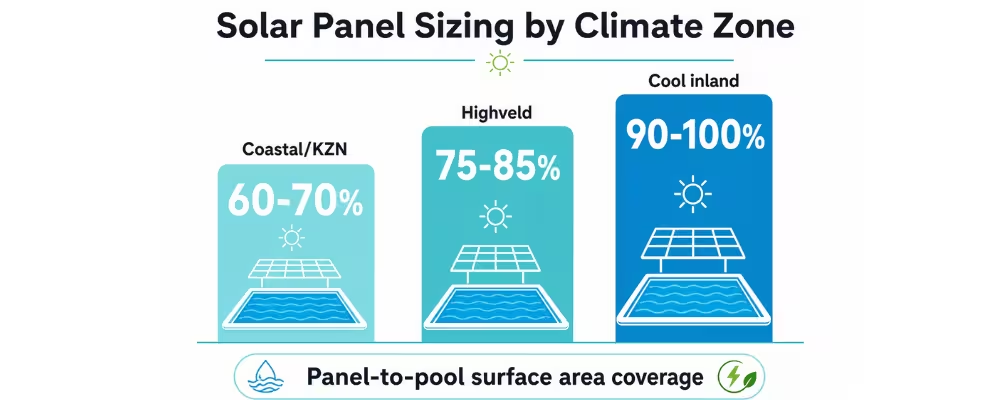
- Panel coverage should match around 60–80% of the pool’s surface area for steady heat gain and a stable desired temperature.
- The total cost of the solar system is recovered through lower energy bills, usually within three to five summers of use.
Chapter 1: How Swimming Pool Solar Heating Works
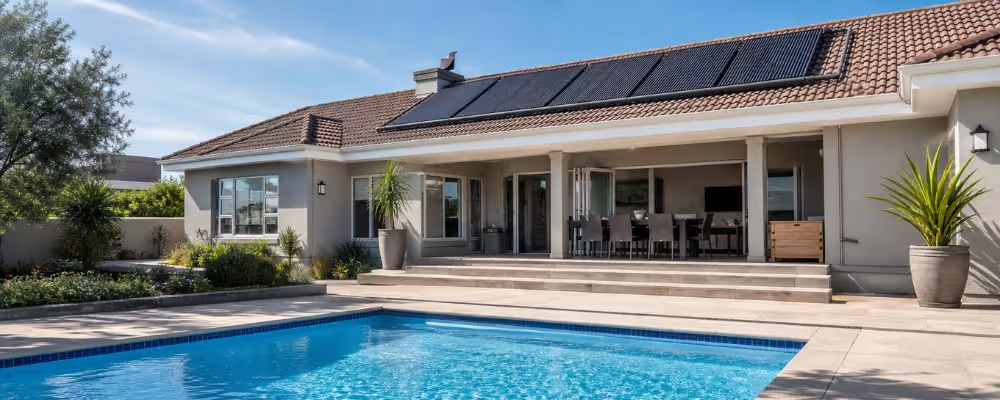
A solar pool heating system is one of the simplest renewable setups you can fit at a swimming pool today. The system moves water through solar panels mounted above, captures heat from the sun, and returns the warmed swimming pool water to the basin via the same plumbing.
Modern solar heating systems behave like simple heat exchangers — they pull heat from the sun’s energy and pass that heat into the water without burning fuel. Once you know the parts, the mechanics behind these heating systems are easy to follow.
What Is a Pool Heating System That Uses the Sun?
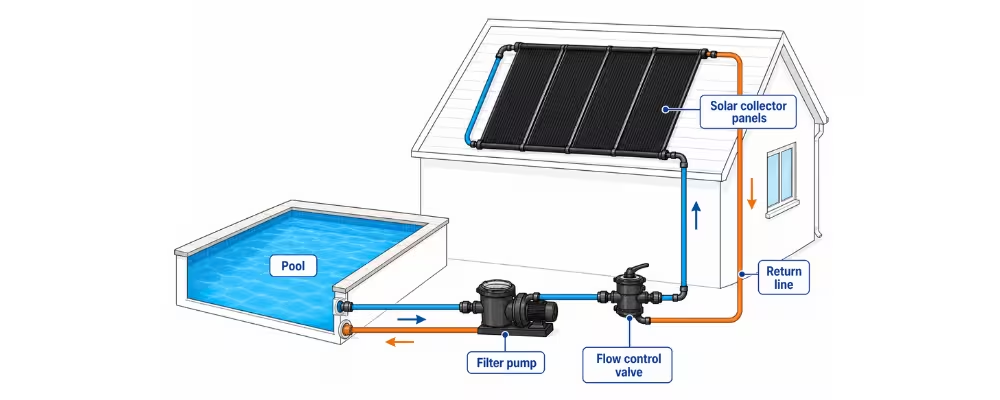
A solar pool heating system is built around three parts: a solar collector that traps heat, a filter pump to circulate water through the panels, and a flow control valve that opens when solar gain is available.
Pool water leaves the pump, runs through the solar collector where the sun’s energy raises the water temperature, and the pool temperature climbs a few degrees by the time the water returns. Heat transfer occurs silently as the fluid passes through the absorber channels.
The whole loop runs on sunny days, when the sun is doing the work for free. On overcast days, the system simply pauses until the sun returns.
Most South African solar swimming pool heater setups share the filter pump with the standard circuit, which keeps the parts list short and the running cost of the heating system low. The heat output rises and falls with the sun’s strength throughout the day.
Solar Panels and the Solar Collector Explained
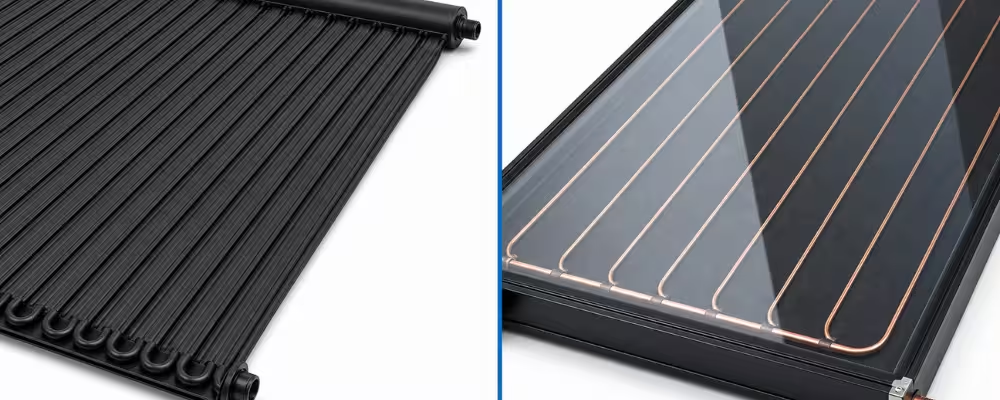
Solar pool heating systems use one of two main solar collector types.
Unglazed systems use black rubber or polypropylene mats with no glass cover. They are cheap, ideal for South Africa’s mild climate, and easy to mount on a tiled or sheet-metal rooftop. The mats act as flat heat exchangers — water flows through fine channels, and the panels trap heat directly from the sun.
The more expensive glazed collector system uses tempered glass over copper or aluminium plates, with food-grade transfer fluids carrying heat from the absorber into the water.
The glass cover helps the panels trap heat more aggressively, so a glazed collector works better in cold climates and high-altitude areas where heat retention matters more. For most coastal and inland Highveld setups, an unglazed solar collector gives the best heat return per square meter of installed panel.
Solar Heating System vs Heat Pump and Other Heating Systems
A solar heating system is not the only pool heating option. A heat pump pulls warmth from the air and transfers it into the water through a refrigerant cycle and a small electric motor.
Heat pumps work in cold weather and at night, but they still draw electricity to move the heat. They cost more to run than a passive solar system, and the carbon side of the equation tilts further when fossil power feeds the grid.
Gas heaters warm water fastest but carry the highest running cost of all the heating systems on the market. Solar pool heaters have no fuel bill at all once the panels are paid off, which is why many households pair a solar pool heater with a heat pump as a back-up for cold weather and shoulder seasons.
Of the heating systems available to South African homes, a well-sized solar pool heater wins on long-term cost every time. The carbon balance is far cleaner, too: no gas burned, fewer greenhouse gases vented to the air, and the heat comes from a source that will not run out.
Chapter 2: The Benefits of Solar Pool Heating
Solar pool heating brings many benefits that go beyond a warmer swim. The biggest wins are lower energy bills, a longer warm-water window, and a heating system that asks very little of you once it is up and running.
Each of those benefits has a real financial side too, for households running pumps and heaters daily through the summer months.
Lower Energy Bills with Free Solar Energy
The strongest case for solar heating is the running cost. Once the panels are installed, solar energy is free.
A typical electric heat pump or gas heater can add hundreds of rand to your monthly bill at peak swim time. A properly sized solar pool heater removes most of that load, replacing paid electricity with solar energy captured above the home, and the heat keeps flowing as long as the panel temperature climbs above the water.
South African solar irradiance is among the best on the planet, with most regions getting more than 2,500 sunshine hours a year. That makes a solar pool heating system the most economical way to keep the water warm, and it shields you from future tariff hikes.
Many pool owners report that the solar system pays for itself within three to five summers, after which all the heat is essentially free.
Extending Pool Heating Across the Swimming Season
A standard unheated swimming pool in Gauteng or the Cape is only really swimmable from about November to March. A solar heating installation can extend that window from September through to May, and indoor pools or sheltered yards can run almost year-round.
Weather conditions across most of South Africa support useful solar heat for at least eight months a year, which can extend the usable swimming season by two full months.
Pair the solar panels with a good pool cover, and you trap heat overnight, which can cut overnight heat losses by 50–70%. A pool cover is one of the cheapest upgrades you can add to any pool heating system.
Most households find the cover plus solar combination gives them the same pool temperature in October that they used to only see in mid-January, and an extra run of sunny days in autumn keeps the water warm well into May.
Low Maintenance and Cost-Effective Performance
Solar pool heating systems have very few moving parts. There is no burner, no compressor, and no refrigerant gas to top up.
The panels themselves carry warranties of 10–15 years, and well-installed pipework can last the full life of the swimming pool. The heat exchanger surface is just the panel itself, with no servicing schedule beyond a yearly visual check.
That low-maintenance profile is what makes the solar system cost-effective over time. You pay an initial investment, then your only running cost is the slight extra load on the filter pump or, in some setups, a small booster pump.
Compared to a gas heater that needs annual servicing, valve checks, and burner cleaning, a solar pool heater is almost set-and-forget. Buyers who add up the total cost of a solar swimming pool heater across ten years find it carries more cost upfront but a fraction of the running expense of fossil-fuelled rivals, which makes the system far cost competitive over its lifespan.
Chapter 3: Installation Costs and Sizing for a Solar Pool Heater
Getting a solar pool heater right comes down to two questions: how much panel area you need, and what the installation should actually cost. Both answers depend on the size of your pool, your house orientation, and the climate zone you live in.
Climate also sets a ceiling on the desired temperature you can hold across the year. The details below shape a sensible quote for any solar swimming pool heater installation.
Sizing Solar Panels for Your Pool’s Surface Area
The starting rule is straightforward. Your panel area should equal 60–80% of the pool’s surface area in a warm climate like KwaZulu-Natal, and closer to 100% in cooler regions like the Free State or the upper Karoo.
Larger panel coverage means a faster heat-up time and a longer usable summer in the water, with steadier heat to spare on cloudy mornings.
Orientation matters as well. A north-facing pitch in South Africa (the northern-hemisphere rule is reversed below the equator) catches the most sunshine throughout the day and gives the panels longer hours of direct sunlight.
An east- or west-facing roof still works, just with slightly lower heat efficiency. The right ratio of panel to pool sets the heat ceiling the solar system can hold across the season.
Solar Heating Installation Costs in South Africa
A residential solar heating installation in South Africa typically costs between R15,000 and R45,000 fitted, with the final price driven by pool size, panel type, and whether new pipework is needed.
Unglazed systems sit at the lower end of that cost band, and glazed systems with custom mounting at the upper end. The system as a whole is one of the most cost-effective home heat upgrades on the market.
Other variables that move installation costs include access difficulty, the distance between the panels and the pump, and whether a booster pump is needed for taller buildings. For a closer look at what a solar pool pump costs in South Africa, see our running-cost breakdown; it pairs with this guide for the full picture.
Where to Mount the System for Best Results
Panel placement determines the system’s long-term efficiency. Mounted directly on a north-facing roof at a 15–35° pitch, the panels catch the strongest sunshine and shed dirt naturally with rain.
Ground-mounted frames are an option for homes with no suitable mounting surface, though they take up garden space and require well-drained ground. Either layout delivers similar heater performance once the panels are aligned, and the heat output stays consistent across pitch angles.
Keep the panels close to the water to limit pipe runs and heat loss. Each extra metre of plumbing slightly lowers system efficiency, which is why installers usually plan the panel array within 10 metres of the existing filter pump where possible.
Short pipe runs also reduce the chance of heat bleeding into the cooler air on overcast days, when efficiency dips and stored heat matters most.
Final Thoughts on Swimming Pool Solar Heating
Swimming pool solar heating is one of the few home upgrades that pays for itself, extends the swimming season, and shrinks energy bills at the same time.
South Africa’s climate is built for it, and the technology is now mature enough that a well-sized solar pool heating system delivers steady heat from spring through autumn for most swimming pools.
Two starter steps will get you moving.
First, measure your pool’s surface area and check whether you have a suitable north-facing roof, frame, or open mounting area for solar panels.
Second, speak to an installer about the right panel coverage for your pool size, climate, and desired swimming season. If you want more consistent heating during cooler weather, you can also pair solar pool heating with a back-up heat pump, such as the Neo Inverter, to support the system on days when solar heat alone is not enough.
Frequently asked questions about solar pool heating in South Africa
Is solar pool heating worth it in South Africa?
For most homes south of Polokwane, yes. Sunshine hours are excellent, electricity costs keep climbing, and a solar pool heater pays itself back within three to five swimming seasons.
The benefits are greater if you already heat the pool with a gas or electric heater, as the savings on running costs are the largest.
Can solar panels heat a pool year- round?
In coastal Durban and the Lowveld, solar pool heating can keep a pool warm year-round with a cover.
On the Highveld, a solar pool heater alone usually covers eight to ten months, and a heat pump fills the gap on the coldest days when the outside temperature stays low, and you still want heat in the water.
Do I need a separate pump for solar pool heating?
Most heating systems run off the existing pump. Pools with high roofs or long pipe runs might need a small booster pump to lift water up to the panels.
Your installer will calculate this based on pool size, roof height, and total head.
How long do solar pool panels last?
Quality unglazed solar panels last 10–15 years, and glazed systems can last 20 years or more.
Both outlast a typical heat pump and most gas heaters, which is a large part of the cost-effective argument for choosing a solar system.


